





The cosmetic and aesthetic landscape is evolving rapidly, and 2026 is shaping up to be one of the most transformative years yet. Across facial rejuvenation, breast surgery and regenerative aesthetics, patients are moving firmly away from exaggerated enhancement and towards natural, subtle and long-lasting results. Increasingly, treatments are being viewed holistically, focusing on balance, longevity and skin quality, rather than isolated procedures.
Below, Mr Naveen Cavale, consultant plastic and reconstructive surgeon at Real Plastic Surgery, shares the trends set to define 2026. We cover the age at which patients request facelifts to the rise of resurfacing lasers, and the growing desire for transparency around breast surgery.
Plastic and reconstructive surgery
Consultant plastic and reconstructive surgeon Mr Naveen Cavale notes that 2025 saw strong growth in facial procedures alongside a decline in breast surgeries, a trend influenced in part by the UK economic climate. He also highlights a significant rise in combination approaches, where surgical procedures are paired with non-surgical technologies to elevate outcomes and longevity.
“We’re seeing a growing sophistication in how fillers and botulinum toxin are used: more strategic, more sparingly, and often in synergy with surgical interventions,” he explains.
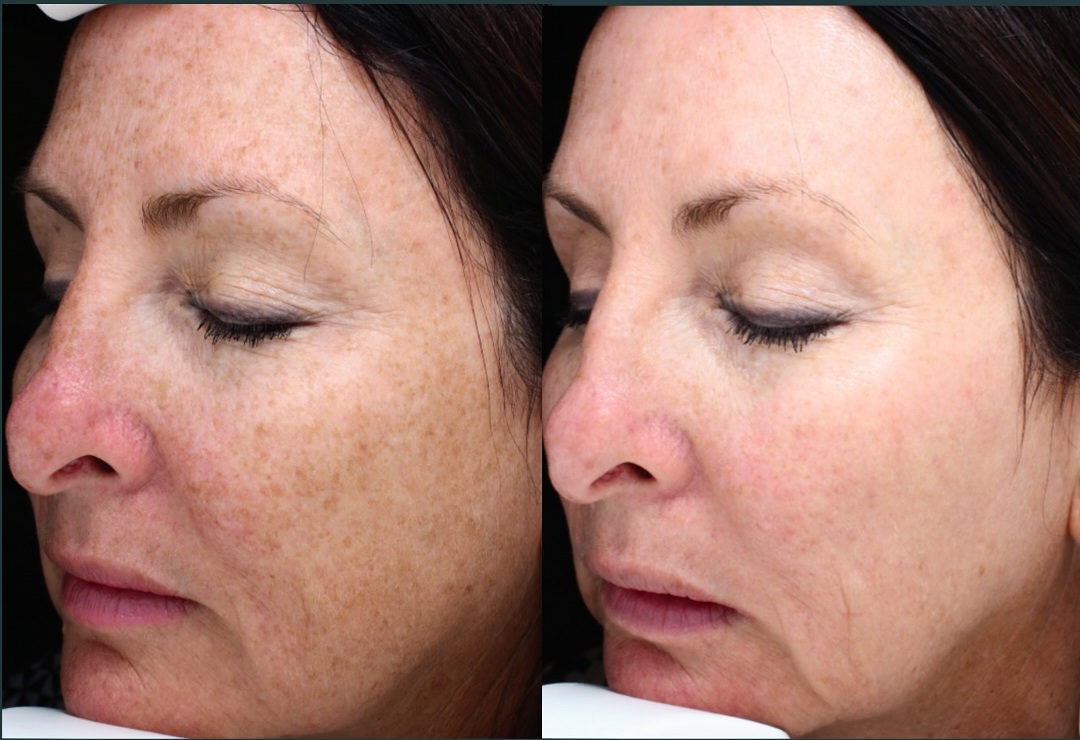
Facelifts in particular are frequently combined with a full resurfacing laser to rejuvenate both deeper structures and the surface and texture of the skin. Laser allows surgeons to refine fine lines, pigmentation and skin quality while the lift addresses structural descent. This creates a smoother, more refreshed result with better longevity.
Emerging aesthetic and surgical trends for 2026
Nav notes a clear rise in earlier enquiries around facial ageing, particularly among patients who previously used fillers and are now questioning whether surgery might offer a more suitable long-term solution.
This shift is positive, he says, because it fosters better collaboration between surgical and non-surgical practitioners, ensuring patients receive appropriate guidance rather than being over-treated with injectables.
At the same time, he raises concerns about a rise in facelift enquiries from younger patients:
“There are very few 35-year-olds who genuinely require facelifts. This trend is heavily influenced by social media, unrealistic comparisons, and the marketing of ‘preventative botox’ – an approach I do not consider advisable.”
The truth about facelift longevity and age
Contrary to online hype, facelifts performed too young do not necessarily offer better longevity. In fact:
- Facelifts last longest when performed at the right indication, not the youngest age
- The typical age range for a first facelift remains mid-40s to mid-60s
- Doing a facelift too early may lead to repeat surgery sooner, and unnecessary cost
- Combination techniques (deep-plane lift + laser resurfacing) can give long-lasting, natural results when timed appropriately
“Timing is everything,” he explains. “You want to intervene when ageing changes are present enough to correct, but before the tissues are too heavy or lax to produce an elegant outcome.”
Natural Expectations: Rhinoplasty, Breasts and the Desire for Honesty
Rhinoplasty: Natural Results and Realistic Recovery
When it comes to rhinoplasty, recovery and natural-looking results remain the two biggest patient concerns.
Patients today increasingly want:
-
- Subtle refinement, not a dramatically altered shape
- Preservation of nasal identity and ethnicity
- Clear, honest explanations about swelling (which can last months)
- Predictability in breathing function and long-term stability
With highly precise tools such as Piezosurgery, recovery times are improving, and outcomes are softer, more controlled and more anatomically respectful.
Breast Surgery: a Shift Towards Transparency
Breast procedures have seen a decline, influenced partly by finances but also by a shift in patient values. Individuals are now seeking more transparency around breast reductions, including:
-
- Realistic expectations of scarring
- Candid discussions around recovery
- Honest guidance about how fluctuations in their weight can impact results
- A move towards functional, comfortable outcomes rather than aesthetic enlargement
For many, a breast reduction now represents not just a cosmetic choice, but a well-being one. Prioritising physical relief, proportionality and long-term body confidence.
Measuring Success in Clinic
For Mr Cavale, success in clinic comes down to outcomes that feel natural, functional and long-lasting, not short-term trends or excessive enhancement.
This includes:
-
- Clear communication and expectation management
- Results that integrate surgical and non-surgical strategies
- Minimising scarring through meticulous technique
- Ensuring every treatment aligns with the patient’s life, health and anatomy
It’s an approach reflected across Real Plastic Surgery and the wider team at the REAL Clinic in Battersea.
Suggested Reads:
So, What Will be Big in 2026…
More than half a million British patients travelled abroad for healthcare in 2024, many returning with complications requiring NHS intervention. Cosmetic provider Longevita has since petitioned for greater regulation around outbound medical tourism aimed at UK consumers.
Addressing patient safety, Mr Cavale stresses the risks of travelling overseas for low-cost cosmetic surgery:
“Even with the best surgeries performed overseas, managing complications when patients return is extremely challenging. Many low-cost packages do not meet the rigorous standards required, and in surgery, you often get what you pay for.”
This trend underscores the importance of choosing a qualified plastic surgeon, prioritising safety, and ensuring continuity of care, from procedure to aftercare to the management of potential complications.
Key Trends Shaping 2026
-
- Earlier enquiries about facelifts, but the need for caution in younger patients
- Combining deep-plane facelifts with full resurfacing laser for longevity and skin-quality optimisation
- Natural, subtle rhinoplasty with a focus on predictable recovery
- Greater transparency and wellness-led motivations in breast reductions
- Growth of regenerative injectables and collagen-stimulating therapies
- More synergy between surgical and non-surgical teams
- Highly personalised, holistic treatment plans



 020 3031 0820