



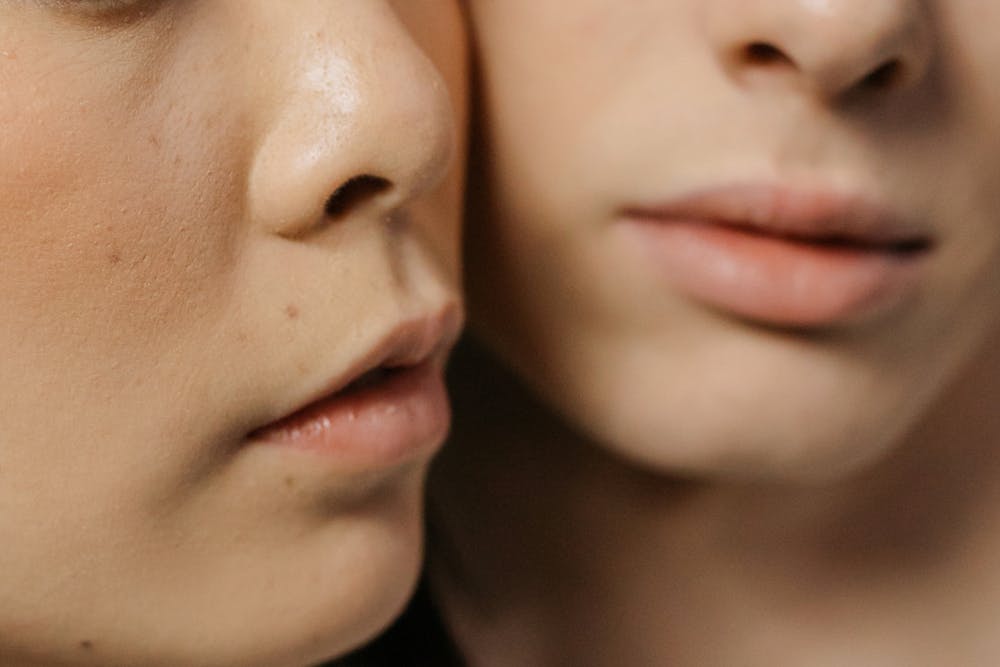
The only way to reduce the size of your nose tip is to improve the underlying cartilage structure that defines it, since the nose tip is defined by its structure rather than muscle or fat. If your nose tip appears bulbous, droopy, or nonspecific, the only way to effectively reduce it is through surgical correction.
If you are considering nose tip reduction, a comprehensive consultation with Real Plastic Surgery will help you better understand your anatomy. Mr. Naveen Cavale, Consultant Plastic Surgeon, will give you a personalized assessment that considers facial balance and natural outcomes.
What Determines Your Nose Tip Shape?
The position and shape of your nose tip are controlled by the size and position of your lower lateral cartilages, skin thickness, tip support strength, and facial proportions. These factors work together to create a tip that is either narrow, bulbous, elevated, droopy, or wide when viewed from the front and sides.
Furthermore, the bottom third of your nose is made up of cartilage. If your cartilage is large or weak, your tip may be rounded or droopy. Thick skin can also make it difficult to define your tip, and with age, your tip support may weaken, leading to a drop in your tip. Facial balance is also important. Your tip may appear large because other facial areas are not prominent, not necessarily because your tip is large.
Surgical Option: Nose Tip Reduction (Rhinoplasty)
Nose tip reduction is a type of rhinoplasty that involves the refinement of the cartilage structure of the tip of the nose. Instead of reducing the size of the nose, this type of surgery is specifically aimed at correcting the width, drooping, or roundness of the nasal tip.
Modern rhinoplasty techniques aim for controlled refinement. Your surgeon will evaluate the thickness of your skin, the strength of your cartilage, and your facial structure before making any changes. The objective is not reduction but a balanced definition that will accentuate your features without looking unnatural.
How it works
Nasal tip reduction is achieved by repositioning and redefining the lower lateral cartilages that constitute the tip. This is accomplished by either open or closed surgery, in which your surgeon will alter the cartilage to provide better definition and projection without impeding nasal airflow.
This may involve:
- Precise cartilage trimming to reduce bulk
- Suturing techniques to narrow and define the tip
- Structural grafts to strengthen weak support
- Adjusting rotation to correct drooping
These procedures are performed with meticulous attention to your individual anatomy to provide refined yet natural-appearing results.
Recovery time
The recovery time from a nose tip reduction rhinoplasty usually involves one to two weeks of noticeable swelling and bruising, followed by progressive refinement of the tip definition over months. Although you can resume your normal daily activities in a short while, the tip definition will continue to improve over time as the swelling resolves.
You will need to wear a nasal splint for about one week. Most of your social recovery time will take 10 to 14 days. However, since the tip tissues take a longer time to resolve swelling than the nasal bridge, final tip definition may take 6 to 12 months to stabilize.
Cost factors
The cost of tip rhinoplasty can vary depending on the complexity of the surgery, the anaesthesia needs, operating facility charges, and whether other structural corrections are also needed. A personalized consultation will give you an exact estimate according to your needs and objectives.
The following are the factors that affect the cost:
- Whether tip-only refinement or full rhinoplasty is needed
- Operating theatre and hospital fees
- Anaesthesia services
- Surgeon’s expertise and case complexity
Open discussion during consultation will ensure that you are aware of all aspects of the treatment plan. Therefore, a personal consultation allows your surgeon to assess your nose and provide you with a customized treatment plan and cost estimate.
Risks
There are known risks associated with nose tip reduction surgery. But when performed by an experienced consultant plastic surgeon, the risk of complications is minimal. This is because the surgery requires meticulous planning, which helps minimize the risk of functional or aesthetic problems.
The risks associated with nose tip reduction surgery include:
- Prolonged swelling
- Temporary numbness
- Minor asymmetry
- Infection (rare)
- Breathing changes if structural support is altered
Above all, surgical safety, anatomical integrity, and proportionate refinement underpin every decision. At Real Plastic Surgery, our consultant plastic surgeon, Mr. Naveen Cavale, uses his highly advanced reconstructive and aesthetic skills to ensure that the structural integrity and function of the nose are never compromised. Every surgery is carefully and uniquely planned, recognizing that a patient-specific strategy is key to predictable results.
Who Is a Good Candidate for Nose Tip Reduction?
You could be a good candidate for nose tip reduction if you notice that your nasal tip looks bulbous, wide, droopy, or poorly defined, and this affects your confidence. Good candidates for nose tip reduction are people in good overall health who want a subtle change, not a dramatic/cosmetic one.
You are a good candidate for nose tip reduction if:
- You feel that your tip is too rounded
- You feel that your nasal tip droops when smiling
- You have realistic expectations about surgical results
- You fully understand the recovery process
It is very important to note that candidacy for nose tip reduction surgery is based on anatomical assessment. Your surgeon will be able to determine if you are a good candidate for tip reduction surgery alone or if there are other aspects of your nose that need to be addressed.





 020 3031 0820
What happened after returning back to work after a Rhinoplasty?