













Nothing speaks more highly of patient care than a recommendation from family.
Not sure whether your skin needs Hydrafacial or microneedling?
A discreet and reassuring look inside the patient journey at The REAL Clinic.
A question we’re often asked: why is a surgeon called Dr, Miss, or Mrs?
A refined glimpse inside the operating theatre, where expertise define every stage of care.
We’re grateful when patients share their experience with us.
Confidence begins with feeling comfortable in your own body. ✨
Proud moment for our team ✨ #topdoctors
HydraFacial & Micro-Needling ✨
Are plastic surgery results permanent?
Save this if you have surgery coming up, and message us if you’d like to discuss your options.
We’re grateful when patients share their experience with us.
We’re proud to support the next generation of clinicians alongside delivering exceptional care
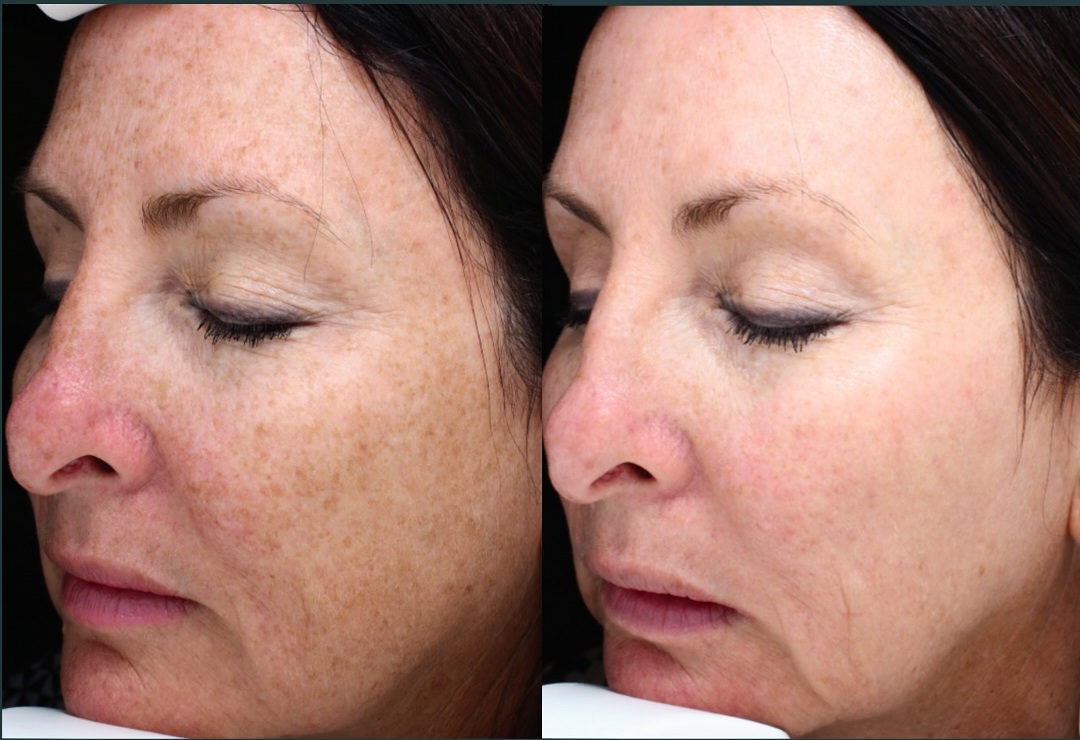
HydraFacial Before ➝ After ✨
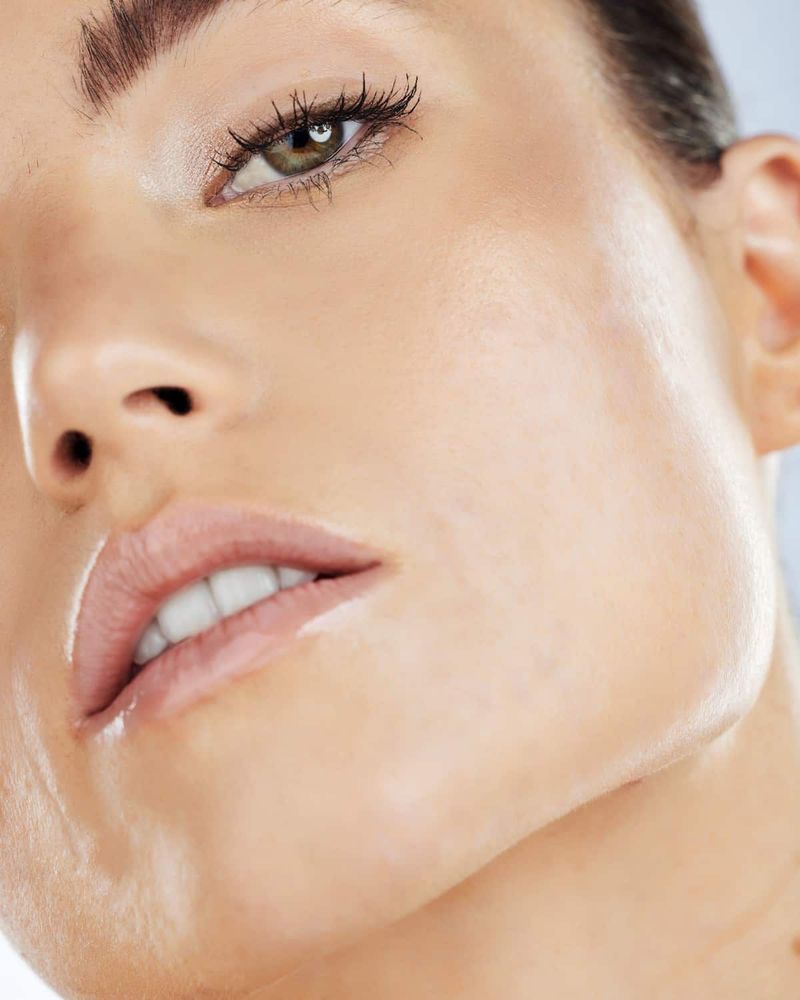
Skin looking tired even when you’re doing “all the right things”?
A patient’s words mean everything to us. 🤍
Step inside The REAL Clinic 👋🏽✨
HydraFacial Before ➝ After ✨
If you’re considering breast augmentation, this video is for you!
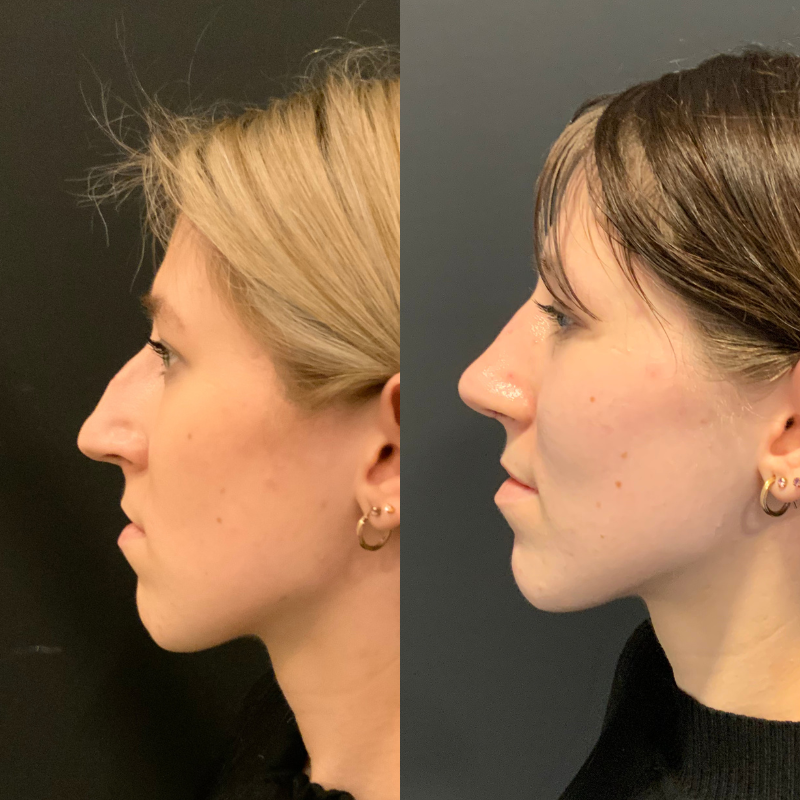
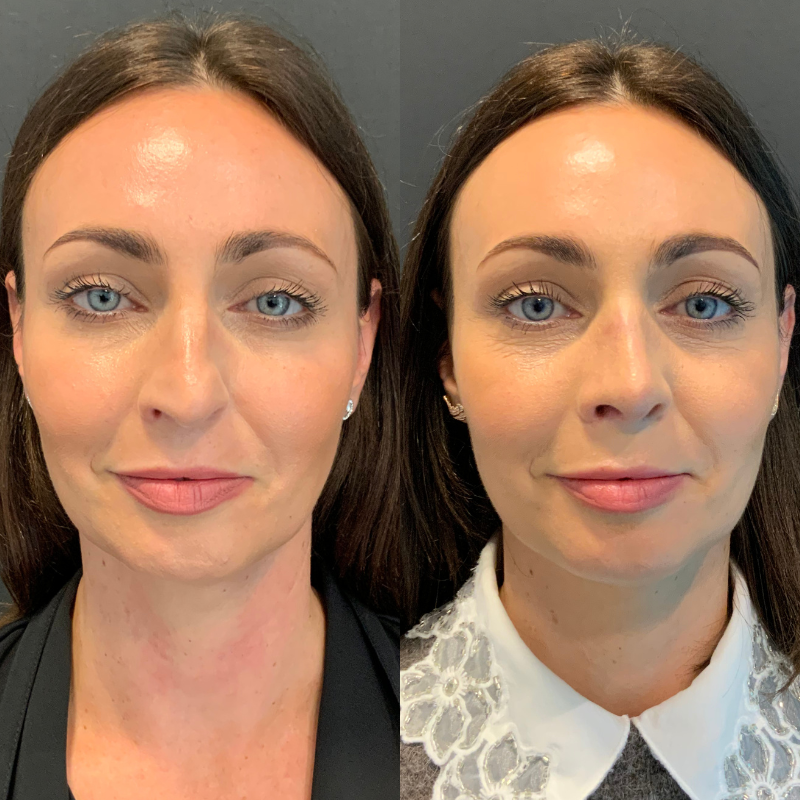
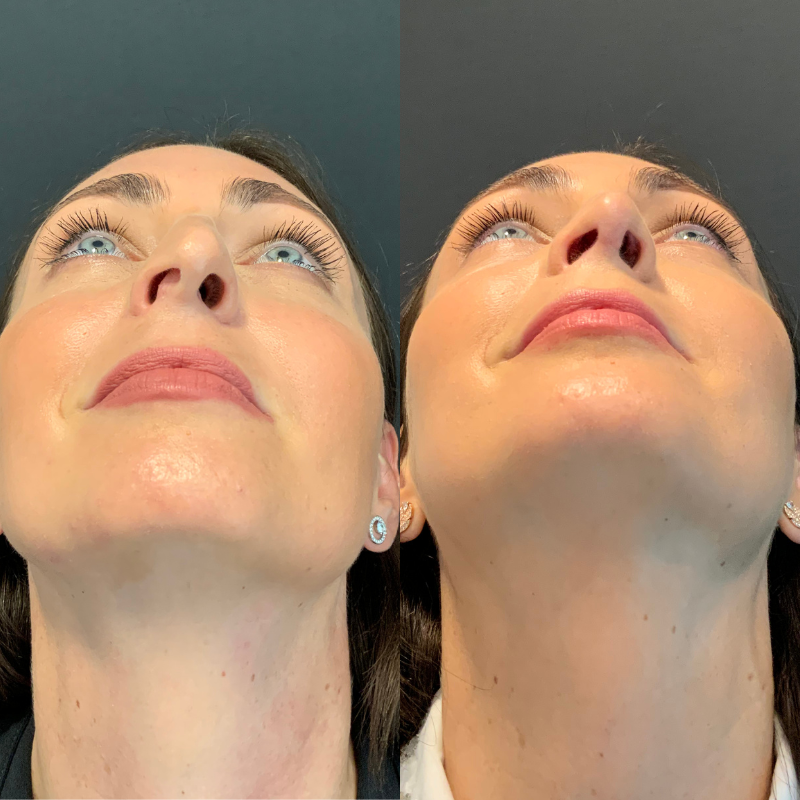
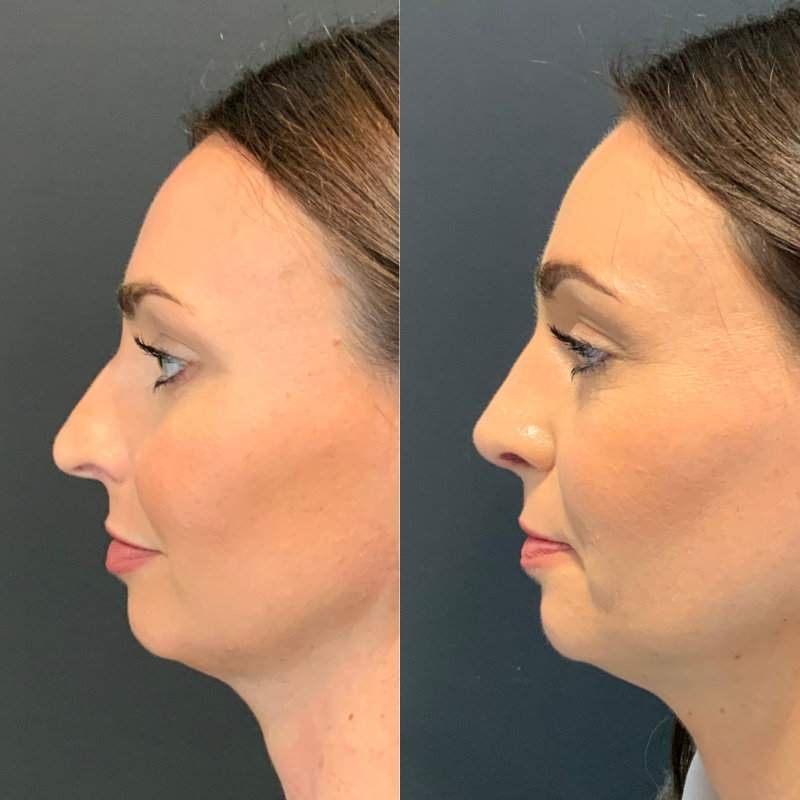
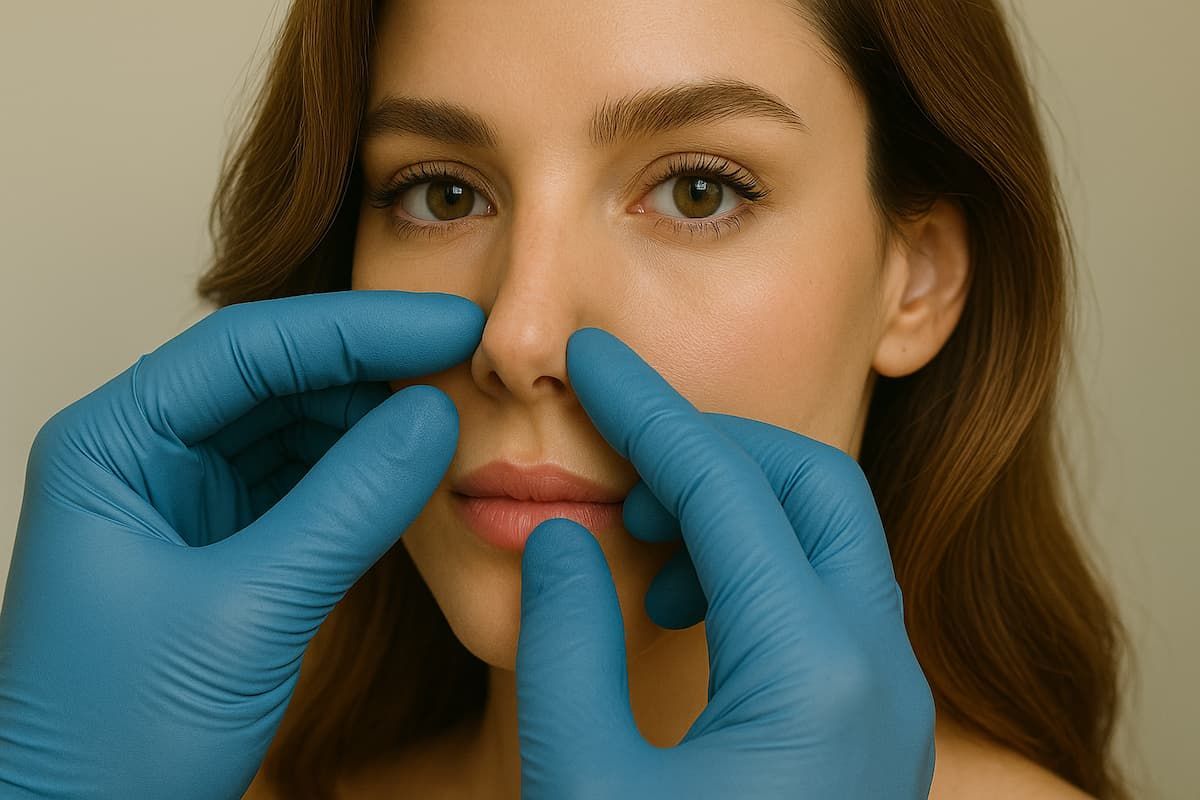
Will rhinoplasty improve my breathing?
A calm, professional experience, from arrival to aftercare ✨
✨ Cosmetic Microneedling (Pen Treatment) ✨
Whether you're a good candidate for a breast augmentation?
What are the risks or side effects of surgery?
A lovely patient review of their experience with us.
We provide advanced eye care, including cataract surgery, vitrectomy, and YAG laser treatment.
Meet Mr. Konal Saha, our Consultant Oculoplastic Surgeon.
Scars tell the story of your healing and they take time to mature. 🤍
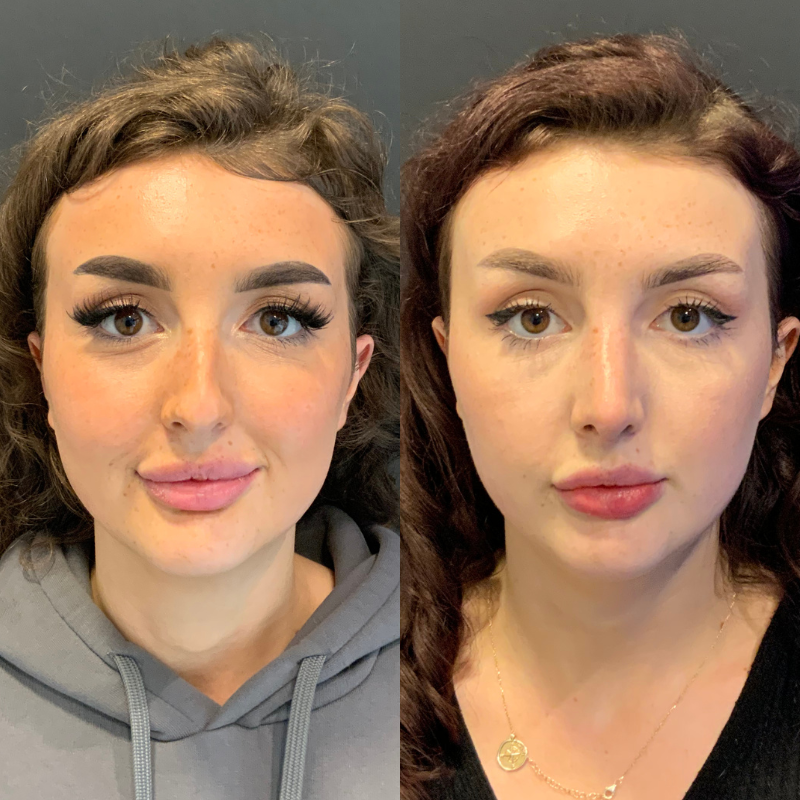
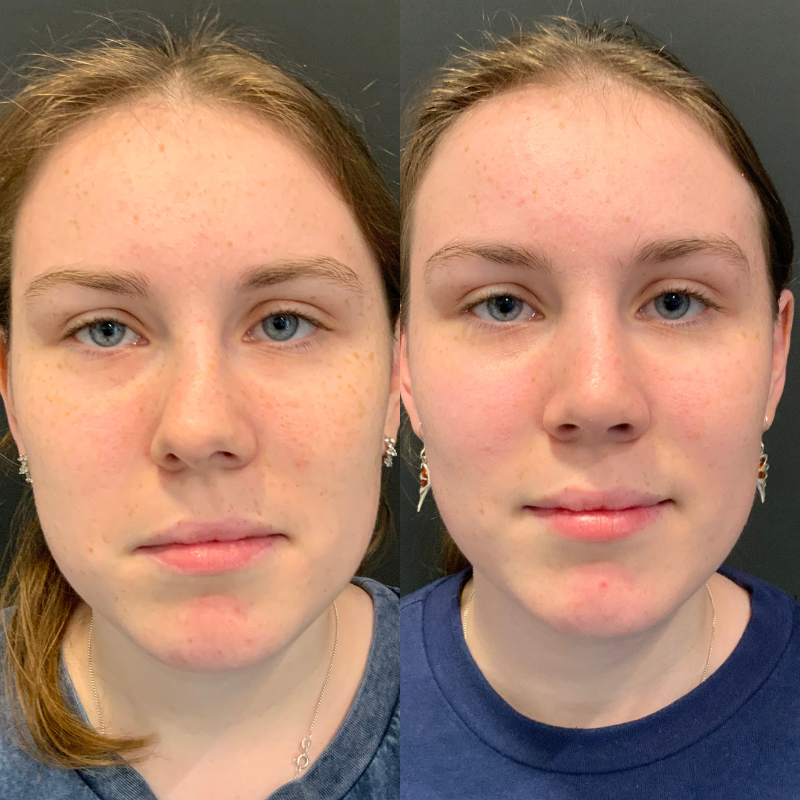
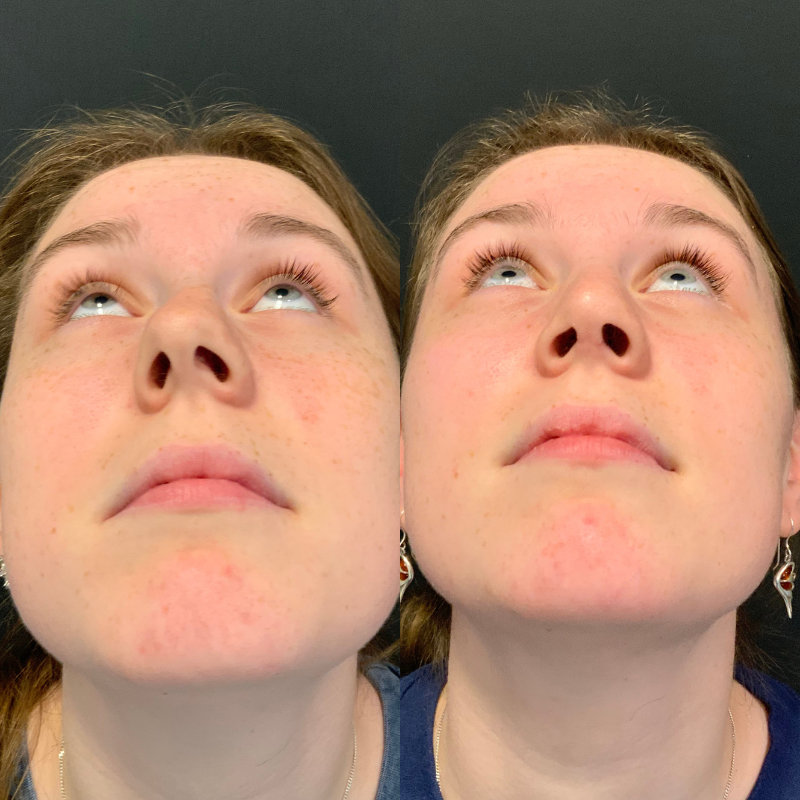
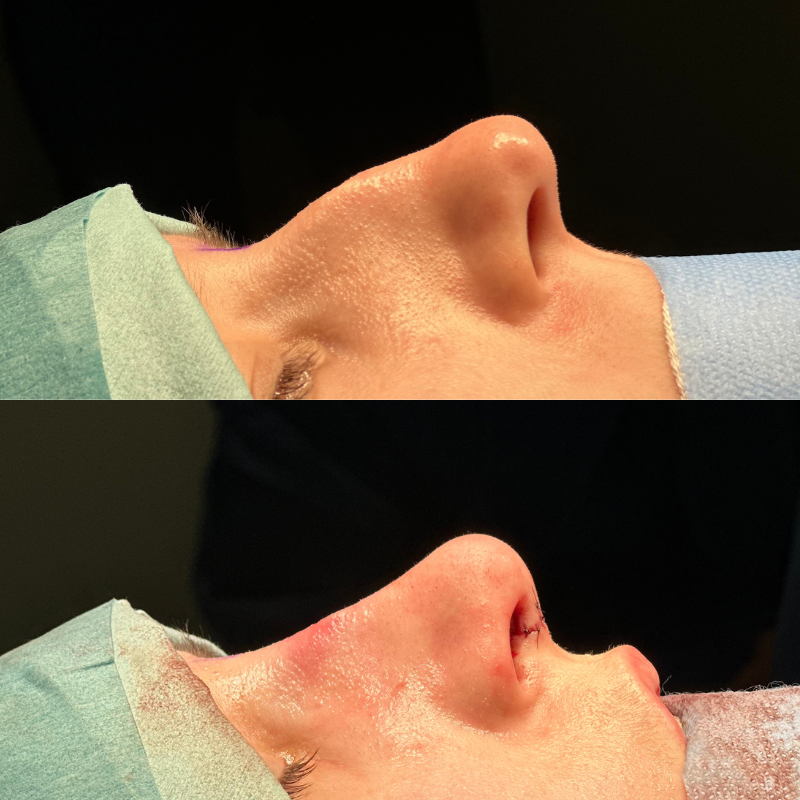
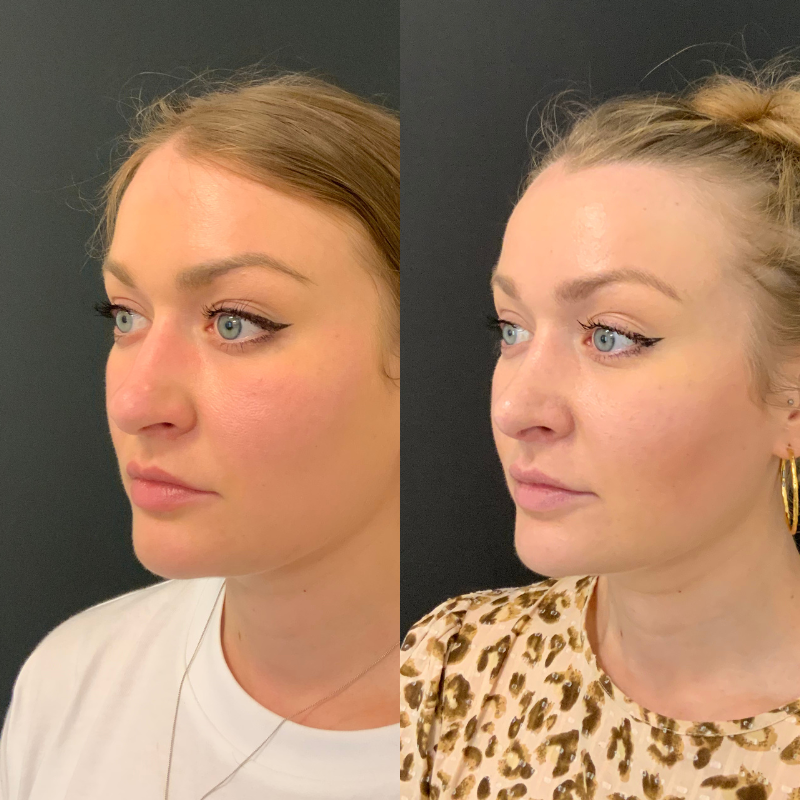
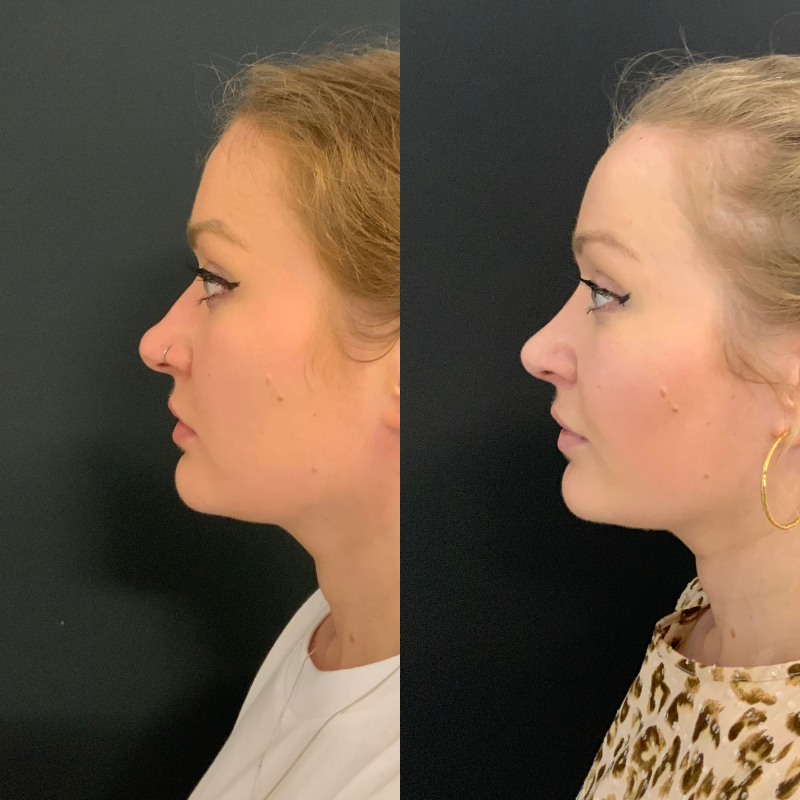
Real patients. Real transformations. 🌟
Meet the Faces of The Real Clinic: Mia ✨
What is the recovery time of Rhinoplasty?
Experience the power of laser technology designed to rejuvenate, and enhance your natural radiance
Real patients. Real transformations. 🌟
Brow lift and upper eyelid surgery!
Why our patients trust us?
When will I see my results?
Ever wondered what a private clinic looks like before treatment?
What's the difference between reconstructive & cosmetic surgery?
One of our lovely patients shares her experience at The Real Clinic.
Meet Sorina, our wonderful clinical manager here at The Real Clinic 💙
What exactly does an oculoplastic surgeon do?
One of our patients said it best: "I was scared of not knowing the recovery."
Happy New Year, from all of us at The REAL Clinic! 🎆💙
Everything is just so good about here. 💙
Meet Karolina, one of the friendly faces caring for you in theatre at The Real Clinic 💙
How do I choose the right Plastic Surgeon?
From all of us at The Real Clinic, we wish you a very Merry Christmas 🎄✨
Will I have a visible scar after rhinoplasty?
Real patients. Real transformations. 🌟
What is oculoplastic?
Travelling all the way from Beckenham isn’t easy but results like these make every mile worth it. 🙌
Losing vision suddenly is frightening but it doesn’t have to be the end of the story. 👁✨
Will I still look like myself after surgery?
Ever wondered what total intravenous anaesthesia (TIVA) actually is?
The REAL’s Stories.
Seeing clearly again starts with moments like this.
Real stories of our patients.
How long will my recovery take after surgery?
Every transformation starts with preparation and precision begins long before the procedure itself.
Meet Adrian, the warm welcome behind your first step into The Real Clinic. 🤝
HydraFacial Session At The REAL Clinic!
Which type of scars will I have after my abdominoplasty or tummy tuck?
Clear vision can change everything and hearing our patients describe life after cataract treatment.
Understanding your treatment options is important!
In this vitrectomy procedure done by Mr. Robbie Walker.
Ever wondered what your skin really holds onto?
Meet Raihana, one of the warm, dedicated faces behind the patient experience at The Real Clinic.
Meet Simone, one of the warm dedicated business lead here at The REAL Clinic.
Ever wondered what laser vein treatment actually looks like?
Ever wondered what a HydraFacial actually looks like?
Not every nose needs to be extreme and that’s exactly what Mr. Nav Cavael stands for.
Our Patients shares their amazing results after a cataract operation at The REAL Clinic.
Dreaming of a flatter, smoother, more confident you?
✨ Meet Jeremiah, the heart of The REAL Clinic!
Fast & Comfortable Chalazion Removal by Ms. Manvi Sobti
Tired of waiting months just to see your GP? 😩
Every smile we see after cataract surgery reminds us why we love what we do.
What are the main types of cosmetic breast surgery that we do here at The REAL Clinic?
Not sure which aesthetic procedure is right for you? That’s what we’re here for! 🙌
Ever wondered what laser vein treatment actually looks like?
#11 The Future of Day Case Surgery - Dr. Matthew James and Dr. Sanjay Gulati
✨ Thank you for joining us at The REAL Glow Evening! ✨
Seeing the world clearly again, that’s what we do best.
How do you know if you're a good candidate for plastic surgery?
#10 A Pair of Eye Surgeons - Elizabeth Hawkes and James Neffendorf
Empathetic care as an aesthetic nurse
#9 - Laura Summers - The Virtual Nurse
Legal agreements are not marriage agreements
#8 - Funding Your Clinic Right with Ed Keelan
What To Expect at Initial Nutrition Appointment
Lifestyle and Nutrition Introduction 1
The benefit of Medical PR #business #podcast #surgeon #medical #pr
Build Your Medical Brand with PR Expert Rebecca Lee on The REAL Clinic Podcast
#7 Building a Medical Brand with PR Expert Rebecca Lee | The REAL Clinic Podcast
The advances of day-case surgery
Post-surgery care with Georgios Orfaniotis
Episode 6 of The REAL Clinic Podcast with Georgios Orfaniotis is out now!
#6 - Mastering the Deep Plane Facelift with Georgios Orfaniotis
#5 - Protecting Your Practice with Tom Weiss | The REAL Clinic Podcast
 020 3031 0820
How to prepare for a plastic surgery?